Michael X Notting Hill: From Enforcer to Black Power Leader
Discover Michael X Notting Hill's complicated story — from Rachman enforcer to Britain's first Black Power leader. Explore real history on our heritage walks.
11/21/20254 min read

From Hustler to Revolutionary
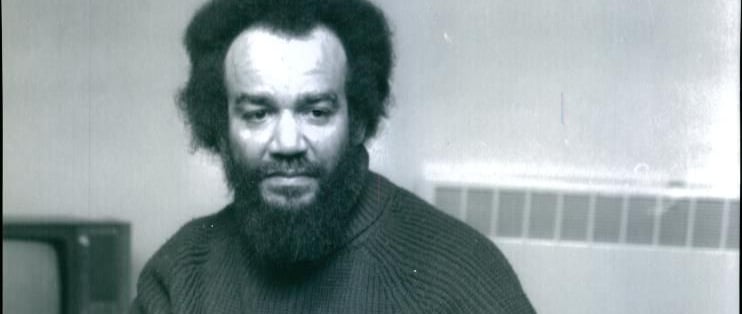
Michael X wasn't born with that name. He arrived in this world in 1933 as Michael de Freitas in Trinidad, the son of a Portuguese shopkeeper and a Barbadian mother. When he came to London in 1957, he was just another young Caribbean man looking for opportunity in the so-called Mother Country.
What he found instead was a city rife with racism, exploitation and violence against Black immigrants. And for a time, he became part of that exploitation.
The Rachman Years: Enforcer in Notting Hill
Before Michael X became an activist, he worked as muscle for Peter Rachman, one of London's most notorious slum landlords. This wasn't respectable work—it was brutal, ugly business.
His job? Collect rents and clear out tenants Rachman wanted gone. The methods were vicious: intimidation, violence, killing tenants' pets and dumping their belongings in the street. He operated out of Rachman's properties across West London, at one point living above a brothel and running a gaming house.
These were the same Notting Hill streets where Caribbean families were trying to build lives, where "No Blacks, No Irish, No Dogs" signs hung in windows and where the 1958 race riots had shown just how unwelcome they were. And Michael de Freitas was helping to exploit his own people for a white landlord's profit.
It's a deeply uncomfortable part of his story. But it's essential to understanding what came next.
The Transformation: Meeting Malcolm X
Something shifted. Whether it was guilt, awakening political consciousness or witnessing the racism his own community faced, Michael de Freitas began to change.
When he met Malcolm X during the American leader's visit to Britain, something clicked. Inspired by Malcolm's message and the language of Black Power, he transformed himself—adopting the name Michael X as both tribute and statement. The hustler became a revolutionary.
In the mid-1960s, he founded the Racial Adjustment Action Society (RAAS) and later established the Black House commune in North London. Suddenly, this former enforcer was speaking the language of Black dignity, empowerment and resistance.
The First Black Power Leader in Britain
Michael X became Britain's most prominent Black radical voice. He was charismatic, media-savvy and uncompromising. He drew celebrities—John Lennon and Yoko Ono famously supported his causes. He spoke on television, gave fiery speeches and forced white Britain to confront uncomfortable truths about racism and colonialism.
But his methods were controversial. His past as a hustler and enforcer never quite left him. He led with the same intensity—and sometimes the same intimidation—that had characterised his Rachman years.
In 1965, he became the first non-white person convicted under Britain's Race Relations Act—a law ironically designed to protect minorities. He'd made inflammatory speeches, and the conviction embittered him against the very system he was fighting.
The Notting Hill Connection
Though Michael X is often associated with Notting Hill's Black Power movement, his relationship with the area was complex. He'd worked these streets as Rachman's enforcer, exploiting the very community he'd later claim to champion. His presence at events like early carnival celebrations showed both his connection to and his complicated role within the Caribbean community.
He wasn't universally loved. Many in Notting Hill's Caribbean community were deeply suspicious of him—they remembered the enforcer, questioned his sudden transformation and worried about his methods. Others saw him as a necessary, if flawed, voice during a period when Black people needed loud advocates.
Downfall and Death
Michael X's leadership fractured under legal troubles and internal divisions. Portrayed variously as visionary, conman and mystic, his credibility suffered. In the early 1970s, he fled to Trinidad, attempting to establish a Black Power commune there. However, the allegation of setting up a commune is disputed by his family.
It ended in tragedy. Implicated in murders at the commune, he was convicted and hanged in Trinidad in 1975. He was 42 years old.
A Legacy Impossible to Celebrate Simply
So who was Michael X? That's the question that still divides people today.
He was an enforcer who terrorised Black tenants for a white slumlord. He was also Britain's first major Black Power leader who forced the nation to confront its racism. He was a hustler who understood media and spectacle. He was a radical who genuinely believed in Black empowerment. He was a man whose personal failings and criminal actions ultimately destroyed any positive legacy he might have built.
The easy thing would be to dismiss him entirely or to romanticise him as a misunderstood revolutionary. The truth is neither.
Michael X's story matters because it shows us something uncomfortable but real: that the history of Black activism in Britain isn't always straightforward or heroic. That people can be both exploiter and revolutionary. That the fight against racism has sometimes been led by flawed individuals whose methods and morals could be questionable even as they articulated real grievances.
His story also reminds us why accurate, nuanced history matters. Notting Hill's Caribbean heritage includes voices like Claudia Jones, who organised with integrity. It includes community builders who worked quietly for decades without headlines. And yes, it includes complicated, controversial figures like Michael X, whose legacy remains contentious.
Walking Where History Happened
When you walk through Notting Hill today, you're walking where all of this unfolded. The buildings where Rachman's tenants suffered. The streets where the 1958 riots erupted. The spaces where genuine community organising happened alongside exploitation and controversy.
Understanding Michael X means understanding that history isn't clean. It's messy and often uncomfortable. But it's real—and it shaped the Notting Hill we see today.
Experience Authentic Notting Hill History
Want to explore the real, complex stories of Notting Hill's Caribbean heritage? Our heritage walks don't shy away from difficult histories. We share rigorously researched stories that honour community voices whilst acknowledging the full, complicated truth.
Essential Walks cover key historical sites and community stories, including the turbulent 1960s and the figures—both celebrated and controversial—who shaped this neighbourhood. Optional Caribbean meal at Portobello Shack and a community-led talk about carnival history.
Premium Experiences feature conversations with community elders and descendants who lived through this era.
Book your heritage walk and discover the Notting Hill history that textbooks often sanitise or ignore.
History isn't about choosing heroes and villains. It's about understanding how real people—flawed, complicated and sometimes deeply troubling—shaped the world we inherited. Michael X's story is part of that history, uncomfortable as it may be.
Contact
QUESTIONS? REACH OUT ANYTIME
hello@nottinghillwalks.co.uk
© 2025. All rights reserved.
Partners



Notting Hill Walks is part of More Curricular alongside Hidden Tudors Tours